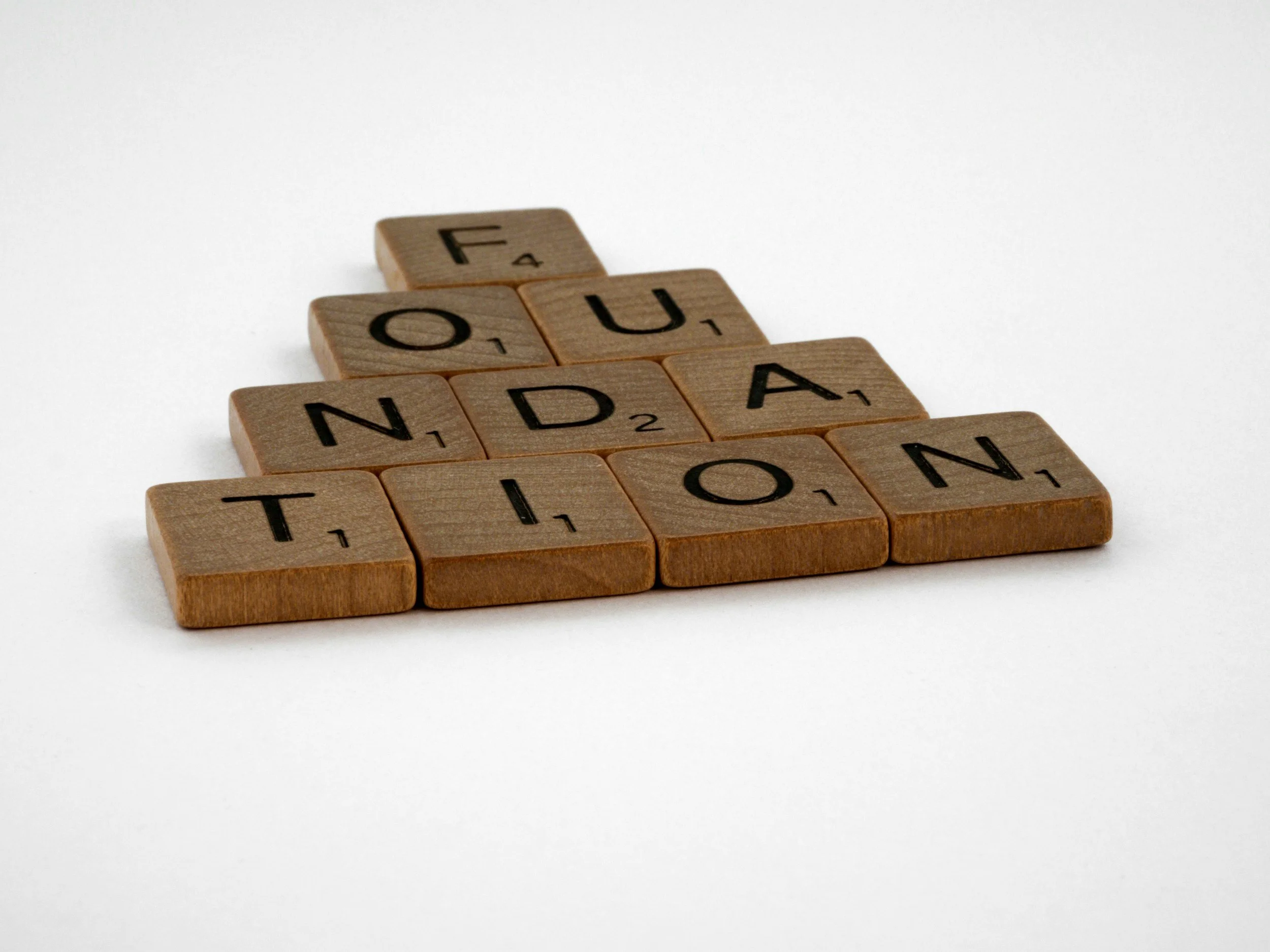
Why Foundations Matter More Than Being “Ahead”
I talk to homeschool parents all the time who worry about their child not being “caught-up”. Not fast enough. Not far enough along. And I get it. It’s hard not to compare when everything around us is measured by pace and progress.
But here’s the truth I keep coming back to, both as a teacher and a homeschool parent:
Being ahead doesn’t matter nearly as much as having strong foundations.
If a child truly understands the basics, they can learn anything later. If they don’t, being “ahead” won’t help for very long.
Being Ahead Feels Good… Until It Doesn’t
When kids move quickly through material without really understanding it, it can look like success, at least at first. They pass the lesson, finish the worksheet, move on to the next thing.
But math is a subject that stacks. Every new idea leans on the one before it. When those earlier pieces are shaky, learning starts to feel hard, confusing, and frustrating.
And we see this in reading as well. Yes the “My Kid Can Read” program helped two year olds recognize sight words, but studies showed that as time went on, their comprehension stagnated. They failed to make the connection between words and meaning.
The same can be found with math. Sure, they can recite math facts, but if they don’t understand the deeper meaning, that party trick will only take them so far.
Kids with strong foundations have a totally different experience. They may move slower at times, but they:
Understand what’s going on instead of guessing
Feel more confident trying new problems
Aren’t thrown off when something looks unfamiliar
Know how to slow down and relearn when needed
That kind of learner isn’t fragile. They’re flexible.
Sometimes We Need Rabbit Holes, Not Rigor
Some of the best learning happens when kids get a little lost in a good, productive way.
When they follow curiosity. When they spend extra time on something they enjoy. When they ask questions that weren’t part of the plan.
Those rabbit holes aren’t wasted time. They help kids figure out what they love learning and how they learn best. That’s where creativity and real thinking grow, not when we’re trudging through material just to say we did it.
Rushing through content often kills curiosity. Slowing down protects it.
Math Skills Can Be Learned. Confidence Is Harder to Rebuild.
Something that has fundamentally changed the way I homeschool:
There is no such thing as an educational emergency. Math skills are learnable at any age.
Confidence, curiosity, and a willingness to try again are much harder to recover once they’re gone.
If a child knows:
The basics
How to think through a problem
That mistakes are part of learning
That they can figure things out
Then when they need a new math skill later, they’ll be able to learn it.
That’s the goal. Not racing ahead, but building a learner who isn’t afraid of the road ahead.
The Takeaway
You don’t need your child to be ahead.
You need them to be ready.
Ready to think.
Ready to problem-solve.
Ready to learn when they need to.
Strong foundations give kids freedom: the freedom to slow down, go deep, explore what interests them, and grow with confidence.
And in the long run, that matters far more than checking off the boxes to say it was “done”.
